Introduction
Project controls in construction are the processes and tools used to manage and monitor a project’s scope, schedule, cost, and quality. These controls are essential for ensuring that a construction project stays on track and within budget. it ensures the project is meeting all specified requirements.
Project controls involve activities such:
- Planning and scheduling,
- Cost Estimating
- Risk management,
- Performance measurement
Using project controls, construction managers can identify issues early, make informed decisions, and deliver projects successfully. there is a misconception about project controls that it’s about time and cost only. This is not true as contract administration is part of project controls.
Table of Contents
Contract administration
ensures that all parties adhere to the terms and conditions in contracts throughout the project lifecycle. It involves overseeing contractual agreements between the project owner, contractors, subcontractors, and other stakeholders.
Key responsibilities of contract administration include
- interpreting contract clauses,
- tracking deliverables,
- managing change orders,
- and facilitating communication between parties
contract administration helps keep project integrity, collaboration, and cut potential disruptions.
Importance of Project Controls in Construction
- Scope: ensure that all project activities are with the specified objectives. preventing scope creep and ensuring that deliverables meet stakeholder expectations.
- Scheduling: it helps with
- timely task execution,
- identifying delays early,
- and maintaining the project timeline.
- Cost Control: enables project managers to keep the project within budget by tracking expenditures and making necessary adjustments.
- Objectives and key performance indicators (KPIs) to measure progress and success. These metrics provide a way to evaluate whether the project is on track and meeting its goals.
- Managing resource constraints: ensures that labor, materials, and equipment are utilized without overburdening any resource.
- Although Quality Management might not fall directly under project controls. these processes support it. project controls help maintain high-quality standards, ensuring that the final output meets or exceeds expectations.
Project Controls vs Project Management
Project controls and project management serve different functions within the construction industry. Project management encompasses leadership and administration of a project, by integrating various processes, resources, and stakeholders to achieve the goals.
On the other hand, project controls focus on the technical and analytical aspects of the project’s scope, schedule, cost, and processes. These controls involve the use of processes, tools, and systems to monitor performance, identify potential issues, and install corrective actions to keep the project on track.
Benefits of project controls
- Increased project success rate: By planning, monitoring, and controlling various project elements. project controls help ensure that projects are on time, within budget, and to the required quality standards.
- Decision-making through data analysis: Project controls provide detailed and accurate data on project performance, enabling managers to make informed decisions based on real-time insights. examples for data :
- Regular reports and updated project schedules
- previous projects and learned lessons
- Cost data centers and UPLs (unified Price Lists)
- Reduced errors, disputes, and claims: maintaining clear and organized documentation, establishing clear objectives and KPIs, and monitoring progress. project controls minimize misunderstandings and errors. This proactive approach reduces the likelihood of disputes and claims, saving time and resources.
- proactive management of finances and resources: tracking costs and resource use, project controls help prevent cost overruns and ensure that resources are used efficiently. This careful management supports the financial health of the project and optimizes the use of labor, materials, and equipment.
- Early identification and mitigation of risks: Through continuous monitoring and analysis, potential risks are identified early. This allows timely interventions to mitigate these risks before they escalate into major issues.
Project Controls Functions
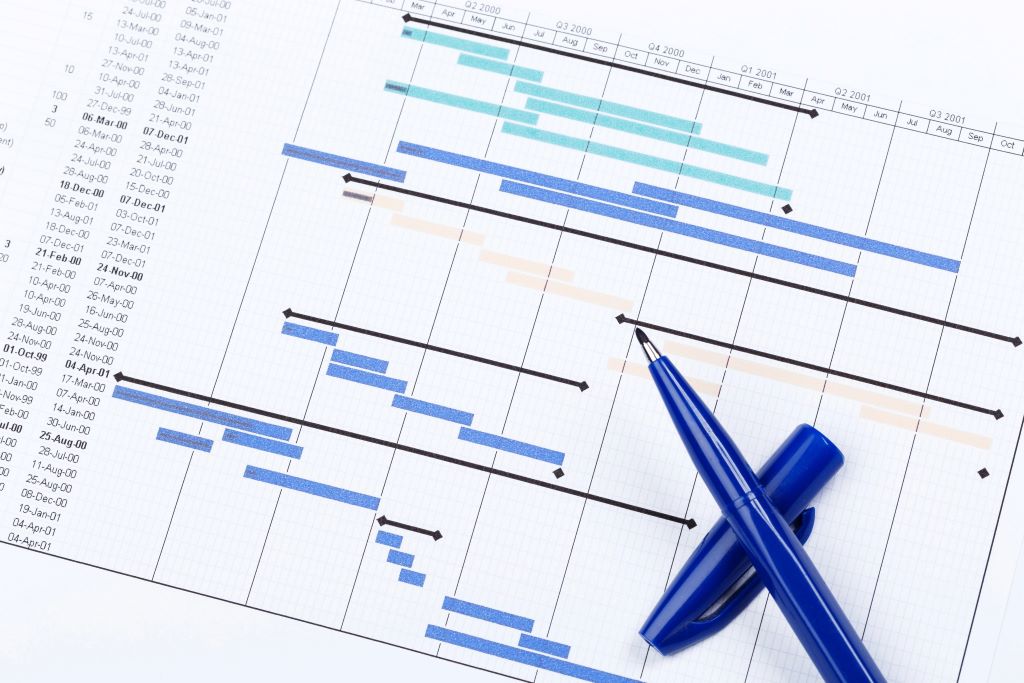
- Planning & Scheduling: are essential for laying the groundwork for project execution. Developing a project schedule involves
- outlining tasks
- Defining durations,
- and identifying dependencies among activities.
- The Critical Path Method (CPM) helps identify the most critical tasks that must be completed on time to ensure the project’s timely completion. Delay management mitigates delays before they affect the timeline.
- Cost Management: creating a detailed project budget that considers all potential costs, from materials and labor to equipment and contingencies. Tracking actual expenses against this budget (Cost Control) allows for the identification of changes, ensuring that any deviations are addressed. Cost estimating and cost planning accuracy depend on the data on hand and the project’s phase. It’s very hard to produce an accurate budget if you only have a client’s concept.
- Change Management: Establishing a process for handling project scope changes to review and approve all modifications. Making informed decisions upon analyzing the impact of these changes on cost, schedule, and resources.
- Earned Value Management (EVM): is an industry-standard method for measuring project performance. EVM compares the value of work completed to the planned value, providing a clear picture of project progress. This method helps identify deviations from the plan early, allowing for corrective actions.
- Risk Management: identifying potential risks that could impact the project to maintain control and reduce surprises. Developing mitigation plans to address these risks with detailed analysis and preparation. Use a risk register to record all potential risks. It ensures that potential risks are managed before they become affecting risks.
Implementation and Challenges in Project Controls
Implementation: Establishing controls early ensures that all aspects of the project are planned and monitored. Utilizing project management software is crucial for the efficient implementation of project controls. These tools ease data collection, analysis, and reporting, providing real-time insights into project performance. Software solutions help in tracking progress, managing costs, scheduling tasks, and identifying risks.
Challenges: Despite the clear benefits, project controls come with several challenges. One major challenge is the need for early investment in both time and resources. Setting up project control systems is time-consuming and may require significant initial expenditure on software and training. Another challenge is the resistance to change from project teams. Integrating new processes and tools can be met with a lack of enthusiasm. Overcoming this resistance requires effective communication and training about the benefits of project controls. Data accuracy and consistency pose another significant challenge. Project controls rely on precise and up-to-date information to be effective. Inconsistent or inaccurate data can lead to incorrect analysis and poor decision-making. Establishing robust data collection and validation processes to mitigate this risk.
Moreover, maintaining project controls throughout the project lifecycle can be demanding. Continuous monitoring and updating need sustained effort.